

Leprosy History
19th Century
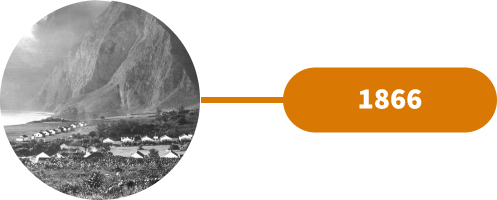
Leprosy colony founded on the Kalaupapa peninsula of the island of Molokai in modern day Hawaii. About 8,000 Hawaiians were sent to the Kalaupapa peninsula from 1866 through 1969, when the mandatory isolation law was finally lifted.

Dr. Armauer Hansen of Norway was the first to see the leprosy germ under a microscope. This was a revolutionary discovery. The evidence was clear: leprosy is caused by a germ (Mycobacterium leprae). It was not hereditary, a curse, or from sin. Because of Dr. Hansen’s work, leprosy is also called Hansen’s disease.
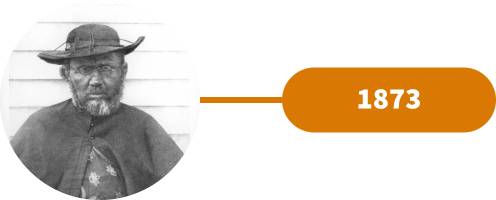
Father Damien arrives in Kalaupapa. The Belgian priest died of leprosy in 1889. In 2009, Father Damien was canonized.
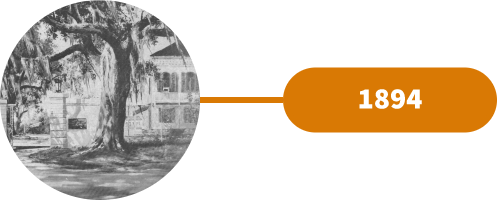
Louisiana Leper Home is established on the site of what is now known as Carville, Louisiana. Five men and two women with leprosy were brought by barge to the now-abandoned sugar plantation on a bend of the Mississippi River between Baton Rouge and New Orleans.
20th Century

From the early 1900s through the late 1940s, leprosy doctors in Africa, Asia, the Far East, South America and elsewhere injected patients with oil from the chaulmoogra nut. This painful treatment appeared to work for some patients. However, the long-term benefits were questionable.

Penikese Island Leper Colony is operated by the Commonwealth of Massachusetts on an island off the coast of New Bedford and Woods Hole. Anyone in the state who was found to have leprosy was forcibly sent there. During its 16 years in operation, 36 people were treated. Fifteen died, seven were deported, one was released for treatment elsewhere and 13 were transferred to the new facility in Carville, Louisiana.

The organization that would become American Leprosy Missions is founded in New York City by a group of seven prominent ministers, mission executives and businessmen at the urging of Thomas Bailey, a representative from the London-based “Mission to Lepers in India and the East.”

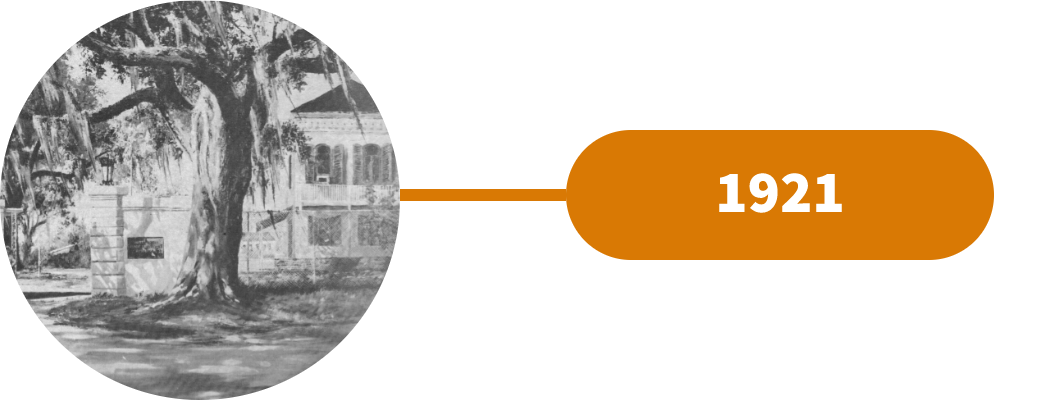

This year saw the introduction of promin for leprosy treatment at “Carville,” the U.S. Public Health Service facility in Louisiana. There was a painful downside to promin: it required too many injections.

Leprosy patients in the U.S. are given the right to vote.

Dr. R.G. Cochrane was a pioneer in the use of dapsone pills which became the treatment of choice during the 1950s. Disappointment followed, though, as the leprosy bacilli began developing dapsone resistance.
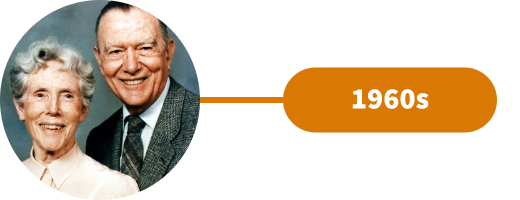
Dr. Paul W. Brand begins the first rehabilitation research program for leprosy patients at Carville. Studies begin in the biomechanics of deformity of hands and feet. The development of amputation prevention footcare techniques begin and today also help people with diabetes and other diseases. Dr. Brand’s methodology of measuring, healing and prevention techniques and reconstructive surgery of hands and feet live on today.

Success at last! Drug trials on the island of Malta in the 1970s led to an effective combination of drugs to treat leprosy.
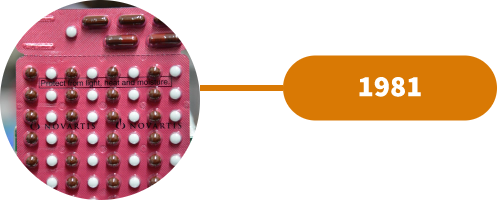
The World Health Organization started recommending multi-drug therapy, or MDT. The three drugs, taken in combination, are dapsone, rifampicin (or rifampin) and clofazimine. Treatment takes from six months to a year or more.

American Leprosy Missions pioneered the use of multi-drug therapy in its projects. Since then, millions of people have been cured of leprosy with MDT.

Japanese law that required the isolation of leprosy patients is finally abolished.
21st Century – The Long Fight is Not Over Yet
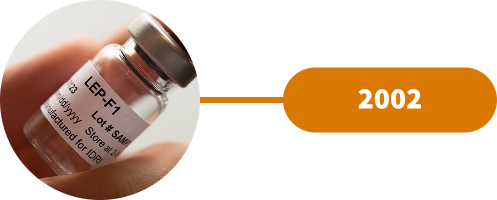
American Leprosy Missions partners with the Infectious Disease Research Institute to develop a leprosy vaccine.


Every two minutes, someone around the world is still being diagnosed with leprosy. Even though it is curable with Multi-Drug Therapy, children, men and women are still being crippled by this terrible disease.
